Frequently Asked Questions
Check below for frequently asked questions regarding SonicAire fans.
Frequently Asked Questions
Do SonicAire fans continue to blow dust all around the facility?
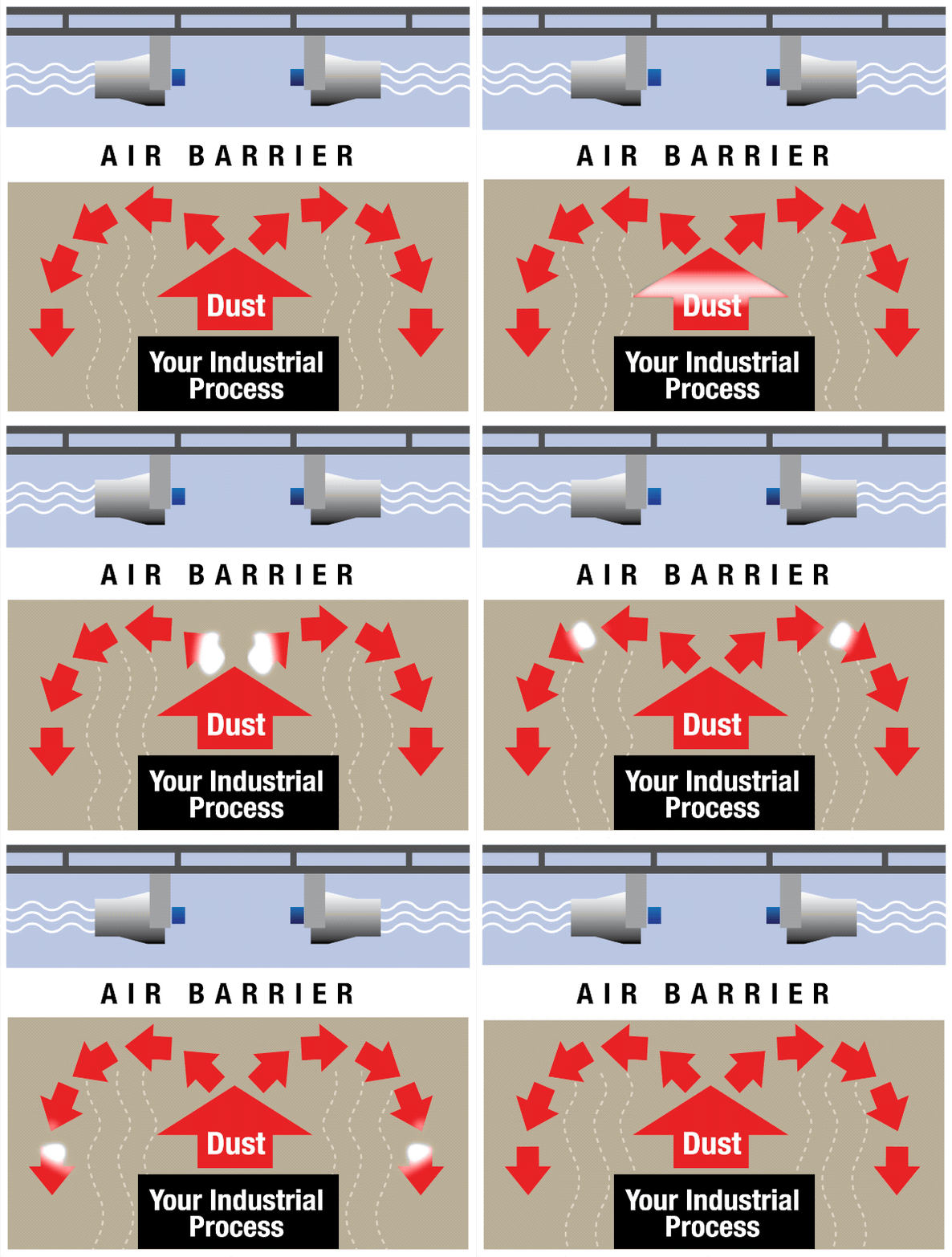
In short, no. SonicAire fans create a barrier, or a horizontal curtain of air that keeps the dust from making a free trip to the ceiling via rising warm air currents. The air in your facility will actually have less free-floating particulate in it than it did before you had SonicAire fans installed.
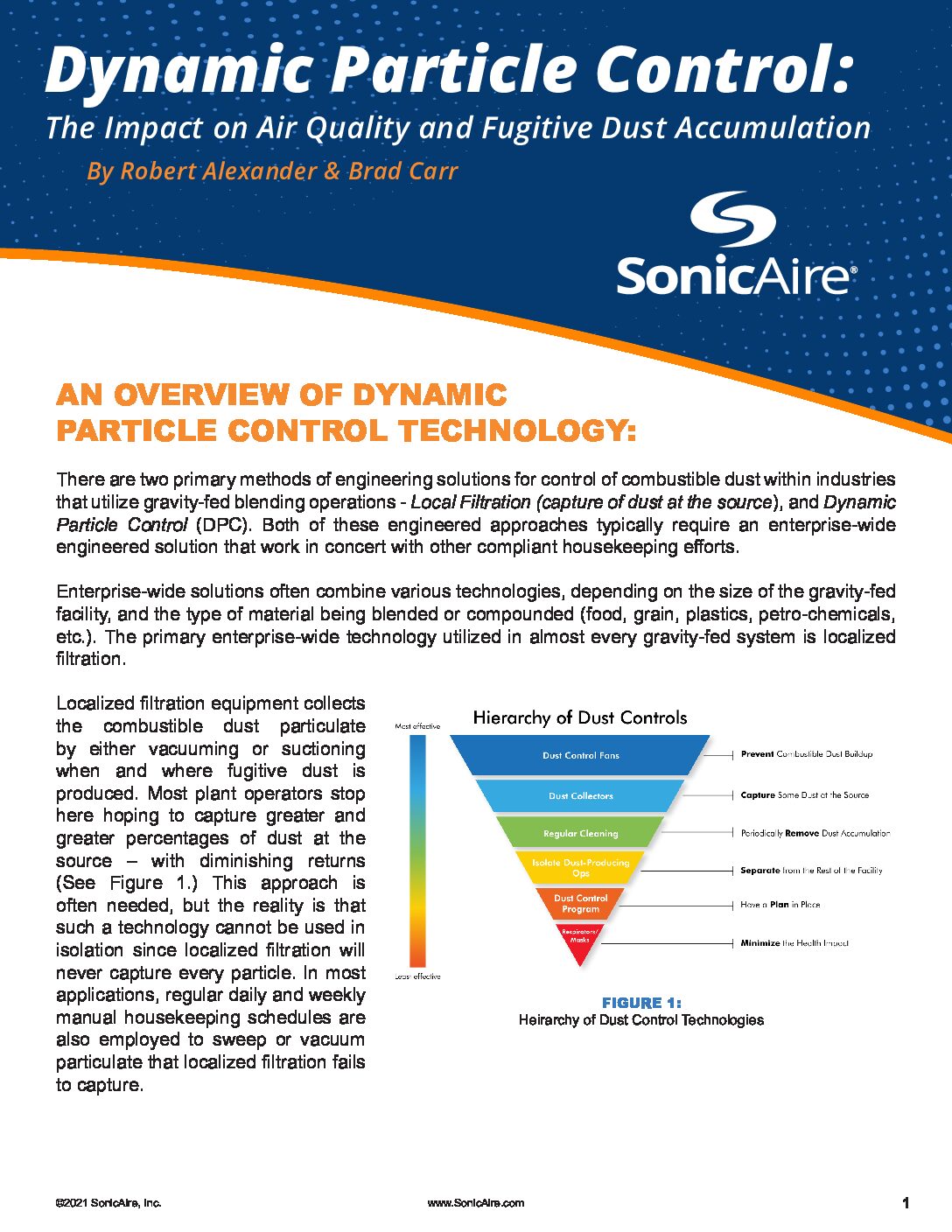
Check out our white paper on Dynamic Particle Control for more information.
How much space can each fan cover?
There’s no one answer to this question, as there are many, many different types of dust, even at different points along a single process. Additionally, the layout and machinery used in each facility is different. Our sales and engineering team will determine what fan type works best in your facility with your dust and processes.
How do SonicAire fans impact air quality?
SonicAire fans improve air quality. They make for happier employees, and more importantly, safer employees. Check out the air quality study we did in a PVC blending/composite lumber facility in the Dynamic Particle Control white paper.
How do SonicAire fans work?
SonicAire fans robotically reduce fugitive dust accumulation. High-velocity, high-mass airflow from our fans creates an overhead barrier. Our BarrierAire™ technology forces dust to the floor by preventing upward currents and stagnant air that keeps dust in suspension, preventing accumulation of fugitive dust in overhead and hard-to-reach places. All you have to do is sweep it up off the floor!
How much do SonicAire fans cost?
The type (size, weight, moisture-content, etc.) of dust you make will determine how many fans you’ll need. Facilities can use $2.50 per square foot as a budgetary figure for an installed system. The specific cost for your facility can be determined once our engineers fully understand your particular situation.
How many SonicAire fans will I need?
The number of fans required is based on a number of factors including the size of the dust producing area as well as the type and quantity of dust produced. Our team can create an engineered solution for your facility to ensure minimal dust buildup in overhead spaces. Click here to request your Free Dust Management Plan with ROI Analysis.
Does SonicAire install the fans for me?
Yes! SonicAire offers full-service installation, including mechanical setup, electrical wiring, and system startup/commissioning. They’ll manage the entire process or work alongside your preferred contractors. Whether you require full installation, partial support, or just guidance, SonicAire offers flexible options to suit your needs—and all completed installations include an additional one-year warranty.
Why is grain dust so volatile?
Are SonicAire fans rated for hazardous locations?
How can I make fire and safety inspections easier at my facility?
Don’t SonicAire fans just blow dust around?
What is a DHA—and do I really need one?
What electrical requirements should I know about before installing a SonicAire fan system?
There are five key electrical considerations to plan for before installing a SonicAire system:
1. Motor Control Center (MCC): 3-phase power (208–575V) and ~50 amps are needed.
2. Area Classification: Hazardous zones (like Class II Div 1 or 2) impact fan and conduit types.
3. Fan Controls: Choose from simple switches or advanced Command panels with programmable features and fire alarm interlock.
4. Local Disconnect Switches (LDS): Required for each fan and can be mounted at various locations—installation method affects convenience and cost.
5. Zone Controls: Used to prevent airflow disruption to sensitive areas near the fan.
Need help? SonicAire will guide you through the best option for your facility setup.
How did SonicAire get started—and what makes your fans different?
If I already have a dust collection system, why do I need SonicAire fans?
How many SonicAire fans do I need for my facility?
Does SonicAire install the fans for me?
Why is grain dust so volatile?
Are SonicAire fans rated for hazardous locations?
How can I make fire and safety inspections easier at my facility?
Don’t SonicAire fans just blow dust around?
What is a DHA—and do I really need one?
What electrical requirements should I know about before installing a SonicAire fan system?
There are five key electrical considerations to plan for before installing a SonicAire system:
1. Motor Control Center (MCC): 3-phase power (208–575V) and ~50 amps are needed.
2. Area Classification: Hazardous zones (like Class II Div 1 or 2) impact fan and conduit types.
3. Fan Controls: Choose from simple switches or advanced Command panels with programmable features and fire alarm interlock.
4. Local Disconnect Switches (LDS): Required for each fan and can be mounted at various locations—installation method affects convenience and cost.
5. Zone Controls: Used to prevent airflow disruption to sensitive areas near the fan.
Need help? SonicAire will guide you through the best option for your facility setup.
How did SonicAire get started—and what makes your fans different?
If I already have a dust collection system, why do I need SonicAire fans?
Dust collection systems are essential—but they’re never 100% effective. Over time, filter performance declines, dust escapes through imperfect capture points, and changes in production can impact ductwork efficiency. Thermal air currents lift fugitive dust that escapes and settles in hard-to-reach overhead spaces. SonicAire fans serve as a second line of defense, creating an air barrier that prevents dust from accumulating above. The result? Cleaner ceilings, fewer shutdowns, and easier, more compliant inspections.
How many SonicAire fans do I need for my facility?
The number of fans you need depends on your dust type, facility layout, and the fan model. On average, one fan can cover around 7,000 square feet, with a performance range of 2,000 to 11,000 square feet, depending on your environment. Fan placement also considers process type, ceiling structures, moisture content, and air currents. For the most accurate system design, SonicAire offers a custom engineering process tailored to your unique facility and dust conditions.
How can I calculate the return on investment for a SonicAire dust control system?
What is SonicAire's process for implementing a dust control solution?
TLDR: SonicAire’s four-step process includes: 1) Discovery—understanding your facility and dust challenges, 2) Design—creating a customized solution, 3) Delivery—implementing the system with installation options, and 4) Dust is Done—providing ongoing support with a compliance guarantee.
What electrical infrastructure is needed to install SonicAire fans?
The number of fans you need depends on your dust type, facility layout, and the fan model. On average, one fan can cover around 7,000 square feet, with a performance range of 2,000 to 11,000 square feet, depending on your environment. Fan placement also considers process type, ceiling structures, moisture content, and air currents. For the most accurate system design, SonicAire offers a custom engineering process tailored to your unique facility and dust conditions.
What are the primary benefits of using SonicAire fans for dust control?
Can I control where SonicAire fans direct airflow in my facility?
Are SonicAire fans rated for hazardous locations?
What installation options are available for SonicAire fan systems?
Can SonicAire fans be mounted on mobile carts or stands?
How many square feet does each SonicAire fan cover?
How much does a SonicAire fan system cost?
Why do I need SonicAire fans if I already have a dust collection system?
Don't SonicAire fans just blow dust around the facility?
Compliance
Are SonicAire fans rated for hazardous locations?
SonicAire offers fans certified for Class II Division 1 and Division 2 hazardous locations (combustible dust environments). The company doesn’t offer fans for Class I (flammable gas/vapor) locations but their Class II fans can be used in Class III (ignitable fibers) environments.
How can SonicAire fans help during fire safety inspections?
SonicAire fans help simplify fire marshal inspections by guaranteeing compliance with NFPA dust accumulation standards. The fans provide continuous cleaning of overhead spaces, eliminating a common citation issue during safety inspections.
What is a Dust Hazard Analysis (DHA) and do I need one?
A Dust Hazard Analysis is an NFPA-required assessment to identify combustible dust risks in facilities. The process involves testing dust combustibility, evaluating hazards, and implementing safeguards. While NFPA isn’t an enforcement agency, fire marshals, OSHA, and insurance carriers often require DHAs.
Are SonicAire fans OSHA certified?
SonicAire fans aren’t “OSHA certified” because OSHA is an enforcement agency, not a certification body. However, the fans comply with NFPA standards (which OSHA enforces) for combustible dust control, making them OSHA-compliant when properly implemented. This is why we offer our compliance guarantee, which also includes our endless warranty.
How do I know if my facility is considered a Class II rated environment?
Class II environments involve combustible dust hazards as defined by NFPA 499. Determining if your facility is Class II requires: 1) Testing if your dust is combustible, 2) Evaluating if hazards exist regularly (Division 1) or infrequently (Division 2), and 3) Consulting with an Authority Having Jurisdiction like a fire marshal. Class II ratings impact equipment requirements.
What are the risks of ignoring dust accumulation in industrial facilities?
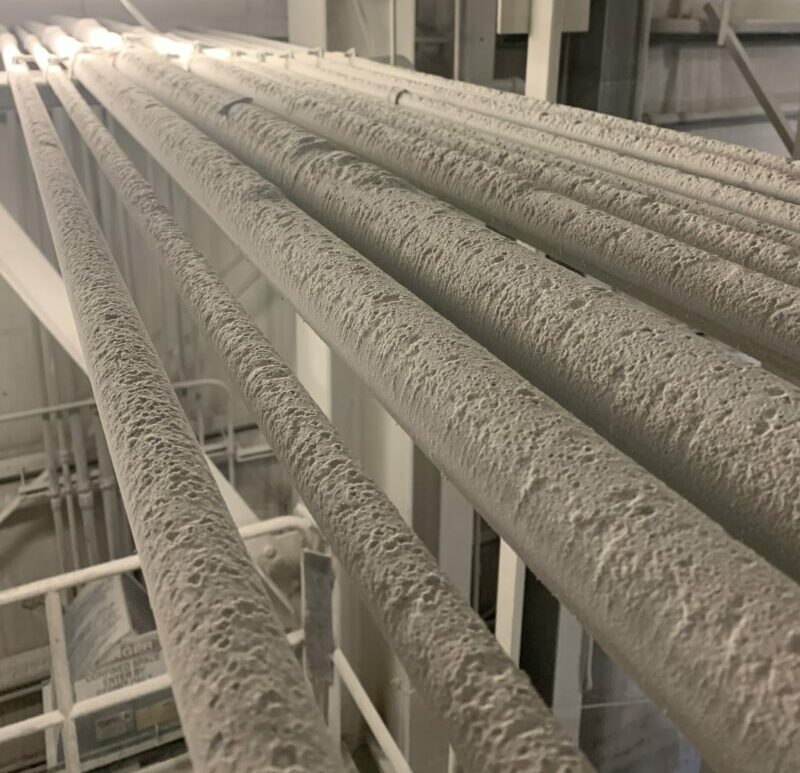
Ignoring dust accumulation creates serious risks including combustion, fire, operational shutdowns, financial damage, and potential employee injuries or fatalities. SonicAire systems eliminate these risks by preventing dust from accumulating in overhead areas, removing the need for unsafe manual cleaning.
Fan Basics
What is SonicAire's process for implementing a dust control solution?
SonicAire’s four-step process includes: 1) Discovery – understanding your facility and dust challenges, 2) Design – creating a customized solution, 3) Delivery – implementing the system with installation options, and 4) Defend – providing ongoing support with a compliance guarantee.
Can I control where SonicAire fans will blow?
SonicAire fans offer precise airflow control through the iDrive system (adjustable up/down movement between 35-120 degrees) and optional Zone Control Kits that prevent the fan from blowing in sensitive areas during rotation.
Can SonicAire fans be mounted on mobile carts or stands?
SonicAire fans should never be made mobile as this creates serious safety hazards: it defeats the proactive design purpose, may create combustible dust clouds, violates safety certifications, and breaks NFPA 660 guidelines requiring continuous operation during processes.
Why do I need SonicAire fans if I already have a dust collection system?
SonicAire fans complement existing dust collection systems rather than replacing them. While filtration captures dust at the source, fans prevent the escape of “fugitive dust” from settling in overhead spaces, creating a complete dust management solution.
Don't SonicAire fans just blow dust around the facility?
Unlike conventional fans, SonicAire fans don’t simply blow dust around. Their BarrierAire technology disrupts thermal currents and uses agglomeration (making particles stick together and become heavier) to prevent dust from reaching overhead spaces, actually improving air quality.
We know it sounds crazy but we actually make the air quality better.
What maintenance do SonicAire fans require and are service plans available?
SonicAire offers three levels of Preventative Maintenance Plans that include mechanical inspections, electrical testing, cleaning, and troubleshooting. Professional maintenance extends warranty coverage, prevents downtime, and ensures optimal performance.
What is the CFM rating of SonicAire fans?
While Cubic Feet per Minute (CFM) is a standard specification for HVAC fans, SonicAire focuses on entrainment velocity (minimum velocity needed to move dust particles) and maximum velocity at distance. CFM alone doesn’t tell the complete performance story for dust control applications.
What are the most common problems with SonicAire fans and how can they be prevented?
We are always here to help you with your fan. If you do have issues reach out on our website through the support form. We respond within 1 business day.
The most common issues with SonicAire fans are: 1) Incorrect sway brace and safety cable installation (cables must be taut, braces at 90° angles), 2) Improper iDrive setup affecting vertical oscillation, 3) Fans blowing on sensitive processes due to incorrect adjustment, 4) Inadequate fan cleaning causing buildup, and 5) Inconsistent operation when fans are manually switched off.
What safety and operational benefits do SonicAire fans provide beyond dust control?
Beyond compliance, SonicAire fans provide multiple safety benefits: they reduce workplace hazards by eliminating the need for employees to work at heights, improve air quality through dust agglomeration, can help transform hazardous locations into unclassified areas, and reduce heating costs by recirculating warm air.
Can I eliminate my dust collection system if I install SonicAire fans?
No, SonicAire fans complement rather than replace dust collection systems. Collection systems capture dust at the source, while SonicAire fans prevent “fugitive dust” (the dust that escapes collection) from accumulating in overhead spaces. Even the best collection systems aren’t 100% efficient due to filter blinding, incomplete capture at collection points, process changes affecting ductwork efficiency, and dust clinging to materials as they move through processes.
Installation
What electrical infrastructure is needed to install SonicAire fans?
Our fans require 3-phase power (208-575 volts) and consideration of five key electrical factors: motor control center location, Area Classification (hazardous vs. non-hazardous), group fan controls, individual fan circuit protection, and Fan Zone Controls for sensitive areas.
We do offer turn-key installation, or we can work with your contractor to help install them.
What services does SonicAire Offer?
SonicAire offers multiple installation options: field support, preventative maintenance, parts and service, OEM parts, factory service, full turnkey installation by their team, mechanical installation with customer handling electrical, installation support/guidance for DIY customers, or just startup/commissioning services. All professional installation options add an extra year of warranty.
Do I need to pre-clean my facility before turning on SonicAire fans for the first time?
Pre-cleaning is strongly recommended before first-time fan startup to prevent creating dangerous dust clouds. If pre-cleaning isn’t possible, there are alternatives but you will need to call us to talk through other options.
What happens during the delivery and implementation phases of SonicAire's process?
The final two steps of SonicAire’s process include: 3) Deliver – receiving a proposal with system design, installation options, and pricing, followed by the manufacturing of your personalized fan systems in Winston-Salem, complete with 17-point inspection by hand; 4) Defend – system operation with compliance guarantee, ongoing support, and preventative maintenance options for an endless warranty.
Pricing
How can I calculate the return on investment for a SonicAire dust control system?
SonicAire offers a free ROI calculator to determine the payback period for dust control fan systems. The calculation takes into account your dust type, facility size, current cleaning costs, production downtime, and electrical costs. Beyond financial returns, benefits include safety compliance and a healthier workplace through cleaner air and more comfortable temperatures.
How many square feet does each SonicAire fan cover?
A single SonicAire fan typically covers 4,000-6,000 square feet, depending on dust type, facility conditions, and fan model. Every SonicAire Fan System comes with a complimentary engineered layout tailored to your facility’s specifications, dust type, and processing environment, ensuring compliance.
How much does a SonicAire fan system cost?
SonicAire fan systems typically cost around $2.50 per square foot installed; however, factors such as dust type, area classification, temperature/moisture conditions, installation accessibility, and electrical infrastructure can affect the final pricing.
A fan system only needs to be installed in areas where your process produces fugitive dust.
Can I try a SonicAire fan before committing to purchase?
Yes! We offer a 60-day Try & Buy program, allowing you to test a fan with no obligation. The program requires a purchase order upfront, but if customers are unsatisfied, they can return the fan for a full refund. However, we find that most customers keep them after seeing the results
Why are SonicAire fans more expensive than other industrial fans?
Our fans cost more than standard industrial fans because they’re engineered systems with proprietary BarrierAire technology, automated oscillation, high-velocity airflow, and industrial-grade components. They’re American-made, NFPA-compliant, and backed by a safety compliance guarantee that standard fans won’t offer.
What happens during the discovery and design phases of SonicAire's process?
The first two steps of SonicAire’s process include: 1) Discover – initial consultation to understand your dust challenges, facility constraints, and budget needs, determining if SonicAire is right for you; 2) Design – gathering detailed facility information (drawings, photos, obstructions) to create a customized engineering solution with the right fan placement.
What is the long-term value proposition of investing in SonicAire fans?
Our fans deliver exceptional return on investment through automated dust control that eliminates expensive manual cleaning (which can cost $200,000+ annually), prevents regulatory fines, reduces downtime, extends equipment life, increases employee satisfaction, and comes with the industry’s only safety compliance guarantee.
Why do I need an engineered layout for my SonicAire fan system?
An engineered layout is essential because proper fan placement depends on multiple factors: dust type/behavior, facility structure, obstructions, sensitive processes, and electrical constraints. Random placement risks inadequate coverage, energy waste, and non-compliance. SonicAire’s engineering team designs systems with the optimal number and placement of fans to ensure complete coverage with the fewest units possible, maximizing ROI and compliance guarantee effectiveness.
How SonicAire Can Help
SonicAire utilizes precision dust-control technology, engineered specifically for the plastics industry. SonicAire’s industrial control fans proactively prevent combustible dust build-up, thereby maintaining a clean and safe environment in a cost-effective manner.
Additional Resources
Learn more about how we helped companies like yours find solutions to their dust problems.
Complimentary Dust Management Plan with ROI Analysis
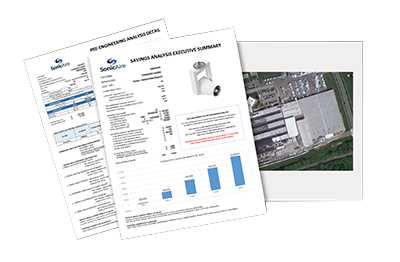
SonicAire is committed to helping our clients tackle combustible dust in their facilities. We will review your facility specifications and develop a custom analysis of how SonicAire fans can use our BarrierAire™ technology to reduce combustible dust accumulation, improve worker safety and productivity and keep your facility compliant with OSHA and NFPA regulations.
Our analysis will also show you the expected Return on Investment, including equipment investment, estimated annual savings and cumulative cashflow benefit.
Get started by contacting us today for your custom facility review, ROI analysis and fan technology proposal.